


Glossy vs Matte Carbon Fiber Sheet: How to Choose Based on Appearance and Performance
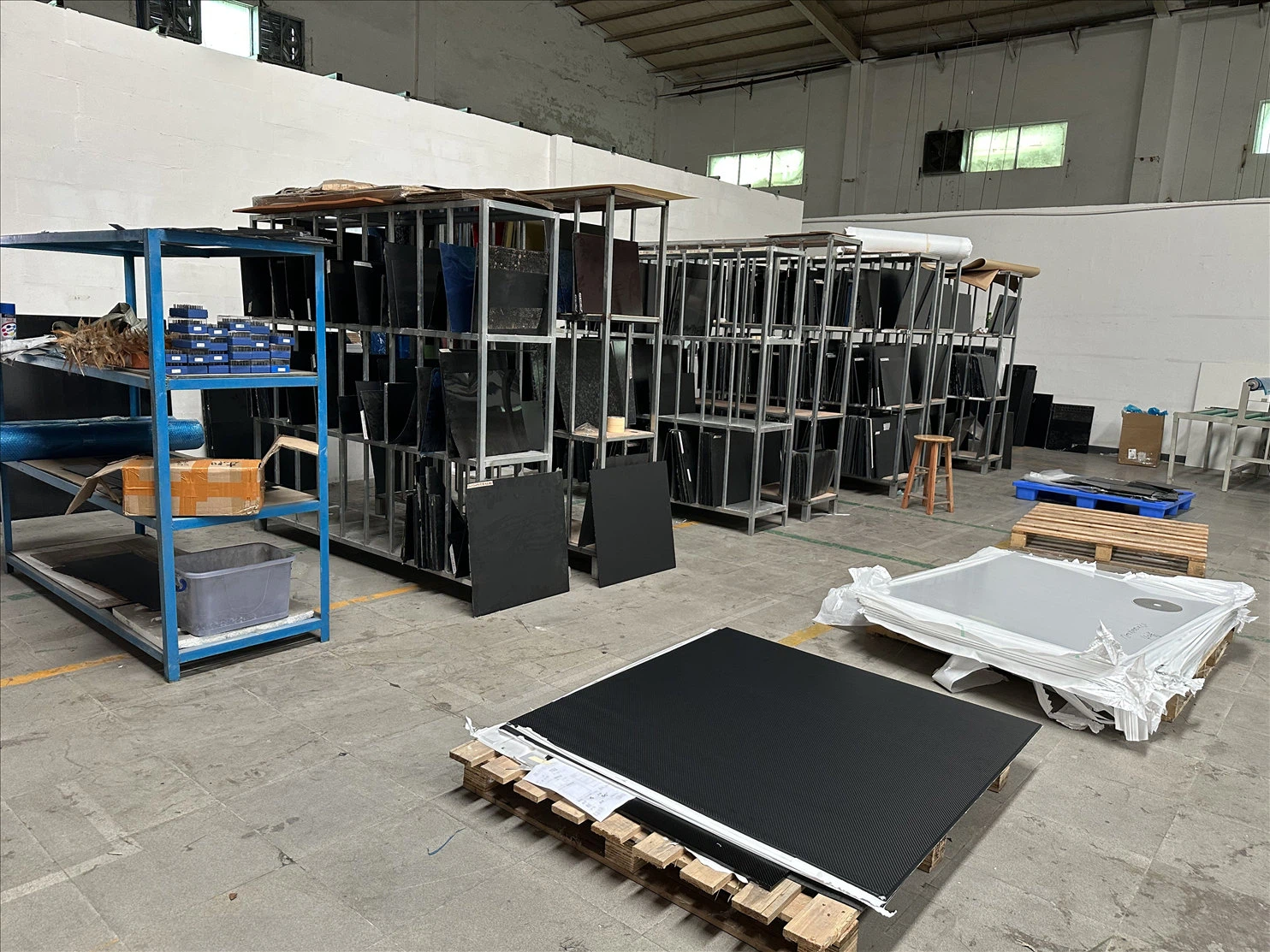
SYCarbonFiber Factory
When selecting carbon fiber panels, many buyers ask a deceptively simple question: should I choose a glossy carbon fiber sheet or a matte carbon fiber sheet
Is the difference purely visual, or does surface finish affect performance, durability, and real-world use?
This question comes up frequently in automotive parts, drone frames, industrial panels, and even furniture applications. The answer requires looking beyond appearance and understanding how carbon fiber sheets are actually manufactured and used.
What Is a Glossy Carbon Fiber Sheet?
A glossy carbon fiber sheet is typically produced by applying a transparent resin-rich surface layer or clear coat after lamination, followed by polishing or controlled curing.
Key characteristics:
High surface gloss and strong light reflection
Enhanced visual depth of the carbon weave
Often associated with premium or display-focused products
In most cases, the glossy effect comes from surface treatment, not from changes to the internal carbon fiber laminate structure.
What Is a Matte Carbon Fiber Sheet?
A matte carbon fiber sheet achieves its low-reflective finish through:
Matte epoxy resin systems
Controlled mold surface texture
Post-curing without polishing or with anti-gloss coatings
Key characteristics:
Low glare, non-reflective appearance
More subtle and industrial aesthetic
Reduced visibility of fingerprints and minor scratches
Matte finishes are widely used in engineering-driven applications where appearance must remain stable over time.
Does Surface Finish Affect Structural Performance?
From a materials engineering standpoint, glossy vs matte carbon fiber sheets show no inherent difference in mechanical strength, provided that the following factors are identical:
Carbon fiber type (1K, 3K, etc.)
Fiber orientation and layup sequence
Resin system
Curing process (hot press, vacuum, or autoclave)
The load-bearing capability of a carbon fiber sheet is determined by the laminate design-not by surface gloss.
Surface finish mainly influences:
Scratch visibility
Wear resistance
UV aging behavior
Maintenance requirements
Glossy vs Matte Carbon Fiber Sheet: Parameters & Application Comparison
| Aspect | Glossy Carbon Fiber Sheet | Matte Carbon Fiber Sheet |
|---|---|---|
| Surface Reflection | High | Low |
| Scratch Visibility | More noticeable | Less noticeable |
| Fingerprint Resistance | Lower | Higher |
| Structural Strength | Same (if laminate is identical) | Same (if laminate is identical) |
| Post-Machining Appearance | Requires edge finishing | More tolerant to machining marks |
| Typical Applications | Automotive trims, display parts, consumer products | Drone frames, industrial panels, structural components |
Machining and Production Considerations
In real manufacturing environments, surface finish affects process control and yield.
From SYCarbonFiber Factory's production data:
Glossy carbon fiber sheets often require additional edge polishing after CNC cutting
Matte carbon fiber sheets offer higher consistency for batch production
For complex machining, matte surfaces reduce visual defects after drilling and routing
This is why many industrial and UAV customers prioritize matte finishes, even when glossy sheets look more premium at first glance.
Application-Based Selection Guide
Choose glossy carbon fiber sheets when:
Visual impact is critical
Parts are mainly decorative or semi-structural
Products are showcased or customer-facing
Choose matte carbon fiber sheets when:
Components are structural or load-bearing
Parts are frequently handled or assembled
Long-term appearance stability matters more than shine
In practice, many projects combine both finishes-using matte sheets for internal structure and glossy sheets for visible surfaces.
Manufacturing Insight from SYCarbonFiber Factory
As a specialized carbon fiber manufacturer with 12 years of production experience, Guangdong SYCarbonFiber Technology Co., Ltd. produces both glossy and matte carbon fiber sheets using controlled lamination and curing systems.
Key manufacturing capabilities include:
Hot-press and vacuum-assisted lamination processes
In-house surface finish control (glossy and matte)
Certified testing via Carbon Fiber Plate High-Temperature & High-Pressure Adaptability Test Platform V1.0
CE and ROHS compliance
SYCarbonFiber Factory can manufacture large-format carbon fiber sheets up to 1200 mm wide and 4000 mm long, allowing one-piece structures for automotive panels, industrial equipment, and furniture components.
These capabilities ensure that surface finish selection does not compromise structural integrity.
Real-World Use Cases
Automotive components: glossy exterior trims, matte internal structural panels
Drone frames: matte carbon fiber sheets for durability and reduced glare
Industrial equipment: matte panels for wear resistance and dimensional stability
Furniture applications: mixed finishes balancing aesthetics and strength
Across these sectors, finish selection is driven by function first, appearance second.
Final Thoughts
The decision between a glossy vs matte carbon fiber sheet is not about which is "better," but which is more appropriate for the intended application.
If you understand how carbon fiber laminates work-and how surface finishes interact with real-world use-you can make informed choices that balance performance, appearance, and long-term reliability.
References & Source Material
This article integrates concepts and industry practices derived from:
CompositesWorld – Carbon Fiber Laminate Manufacturing
ASM Handbook, Volume 21: Composites
Journal of Composite Materials – Surface Finish and Wear Studies
Engineering discussions from RC Groups and Eng-Tips Forums


